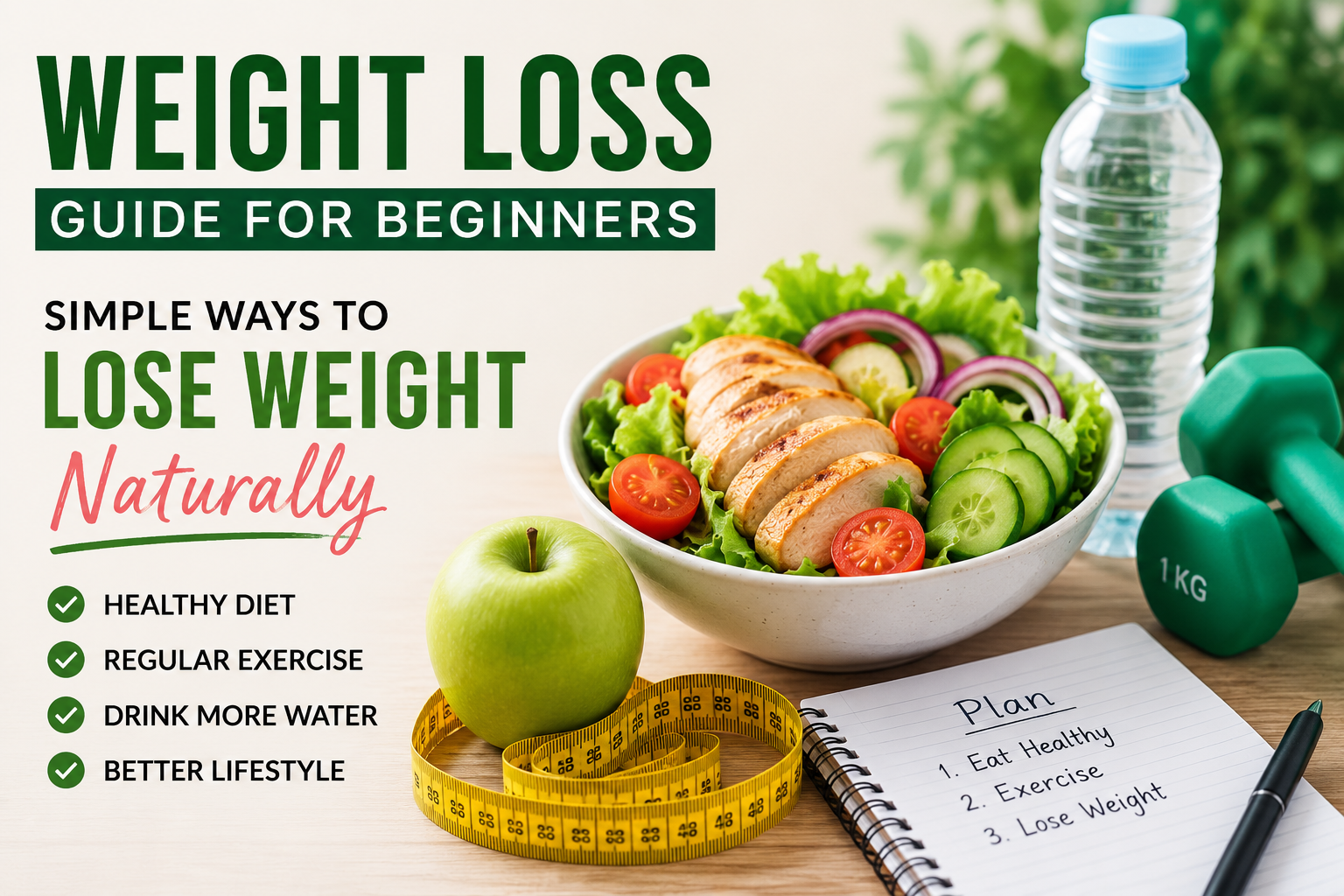
Weight loss is one of the most popular health goals around the world. Many people want to lose extra weight to improve their health, boost their confidence, and live a more active life. However, with so much information available online, it can be difficult to know where to start.
The good news is that successful does not require expensive supplements, extreme diets, or complicated workout plans. By making simple lifestyle changes and developing healthy habits, anyone can achieve sustainable results.
In this guide, we will discuss practical weight loss strategies that are easy to follow and suitable for beginners.
What Is Weight Loss?
Weight loss occurs when your body burns more calories than it consumes. This process creates a calorie deficit, forcing the body to use stored fat for energy.
While the concept is simple, many factors affect including:
- Diet
- Physical activity
- Sleep quality
- Stress levels
- Genetics
- Age
Understanding these factors can help you create a successful weight loss plan.
Why Is Weight Loss Important?
Maintaining a healthy weight provides many benefits, including:
Improved Heart Health
Excess weight can increase the risk of high blood pressure and heart disease. Losing weight can improve cardiovascular health.
Better Energy Levels
Carrying extra weight often causes fatigue. Weight loss can increase energy and improve daily performance.
Reduced Risk of Disease
Healthy weight management can lower the risk of:
- Type 2 diabetes
- High cholesterol
- Sleep apnea
- Joint problems
Increased Confidence
Many people feel more confident and positive after achieving their goals.
Set Realistic Weight Loss Goals
One of the biggest mistakes beginners make is expecting fast results.
Healthy weight loss usually ranges between:
- 0.5 to 1 kilogram per week
- 1 to 2 pounds per week
Setting realistic goals helps you stay motivated and avoid disappointment.
Examples of realistic goals include:
- Lose 5 kg in three months
- Walk 30 minutes daily
- Drink more water every day
Small goals often lead to long-term success.
Focus on Healthy Eating
Diet plays the biggest role in weight loss.
You do not need to starve yourself. Instead, focus on making healthier food choices.
Eat More Protein
Protein helps:
- Build muscle
- Reduce hunger
- Increase feelings of fullness
Good protein sources include:
- Eggs
- Chicken breast
- Fish
- Greek yogurt
- Lentils
- Beans
Including protein in every meal can support weight loss.
Increase Vegetable Intake
Vegetables are:
- Low in calories
- High in fiber
- Rich in vitamins
Examples include:
- Spinach
- Broccoli
- Carrots
- Cucumber
- Bell peppers
Try filling half of your plate with vegetables.
Choose Whole Grains
Whole grains contain more nutrients and fiber than refined grains.
Good options include:
- Brown rice
- Oatmeal
- Whole wheat bread
- Quinoa
These foods help keep you full for longer periods.
Reduce Sugar Consumption
Too much sugar can lead to weight gain.
Limit:
- Soft drinks
- Candy
- Cakes
- Cookies
- Sweetened beverages
Replacing sugary drinks with water is one of the easiest weight loss strategies.
Drink More Water
Water is essential for overall health and can support weight loss.
Benefits include:
- Improved digestion
- Reduced hunger
- Better metabolism
Many people mistake thirst for hunger.
Try drinking a glass of water before meals to help control portion sizes.
Most adults should aim for 2 to 3 liters of water daily.
Control Portion Sizes
Even healthy foods can lead to weight gain if eaten in large amounts.
Simple portion control tips:
- Use smaller plates
- Avoid eating directly from packages
- Eat slowly
- Stop eating when satisfied
Mindful eating helps prevent overeating.
Avoid Processed Foods
Processed foods are often high in:
- Sugar
- Salt
- Unhealthy fats
- Calories
Examples include:
- Chips
- Fast food
- Frozen meals
- Packaged snacks
Replacing processed foods with fresh ingredients can improve results.
Exercise for Weight Loss
Physical activity helps burn calories and improve fitness.
The best exercise is the one you enjoy and can maintain consistently.
Walking
Walking is one of the easiest ways to lose weight.
Benefits include:
- No equipment needed
- Suitable for beginners
- Improves heart health
Aim for at least 30 minutes of walking daily.
Strength Training
Building muscle can increase calorie burning even while resting.
Beginner-friendly exercises include:
- Squats
- Push-ups
- Lunges
- Resistance band exercises
Strength training two to three times weekly is beneficial.
Cardio Workouts
Cardio exercises help burn calories efficiently.
Examples:
- Running
- Cycling
- Swimming
- Jump rope
Choose activities that fit your lifestyle.
Get Enough Sleep
Sleep is often overlooked in weight loss plans.
Lack of sleep can:
- Increase hunger hormones
- Reduce energy
- Lead to unhealthy food choices
Most adults need:
- 7 to 9 hours of sleep per night
Creating a consistent sleep schedule can improve weight loss success.
Manage Stress Levels
Stress can make weight loss more difficult.
When stressed, many people:
- Eat more unhealthy foods
- Skip exercise
- Sleep poorly
Healthy stress management methods include:
- Meditation
- Deep breathing
- Walking
- Reading
- Spending time with family
Reducing stress can improve both physical and mental health.
Track Your Progress
Monitoring progress helps maintain motivation.
You can track:
- Weight
- Measurements
- Exercise sessions
- Daily food intake
Keep in mind that weight may fluctuate due to water retention and other factors.
Focus on long-term trends rather than daily changes.
Common Weight Loss Mistakes
Skipping Meals
Skipping meals often leads to overeating later.
Instead, eat balanced meals throughout the day.
Following Extreme Diets
Crash diets may produce quick results but are difficult to maintain.
Most people regain the lost weight.
Ignoring Protein
Low-protein diets can increase hunger and reduce muscle mass.
Drinking Calories
Many beverages contain hidden calories.
Examples:
- Soda
- Sweet coffee drinks
- Energy drinks
Choose water whenever possible.
Expecting Immediate Results
Weight loss takes time and consistency.
Patience is essential for long-term success.
Best Foods for Weight Loss
Consider adding these foods to your diet:
Eggs
High in protein and nutrients.
Oatmeal
Rich in fiber and keeps you full.
Greek Yogurt
Supports digestion and muscle maintenance.
Apples
Low in calories and high in fiber.
Leafy Greens
Packed with vitamins and minerals.
Chicken Breast
A lean source of protein.
Fish
Provides healthy fats and protein.
Beans and Lentils
Affordable and filling protein sources.
Create a Sustainable Weight Loss Plan
Successful weight loss is about consistency.
A sustainable plan includes:
- Healthy meals
- Regular exercise
- Adequate sleep
- Stress management
- Realistic goals
Avoid trying to be perfect. Small improvements made consistently often produce the best results.
Conclusion
Weight loss is a journey that requires patience, dedication, and healthy habits. There is no magic solution, but by eating nutritious foods, staying active, drinking enough water, sleeping well, and managing stress, you can achieve lasting results.
Remember that every small step counts. Focus on creating a healthy lifestyle rather than looking for quick fixes. With consistency and determination, you can reach your weight loss goals and enjoy a healthier future.